
The Real Debate
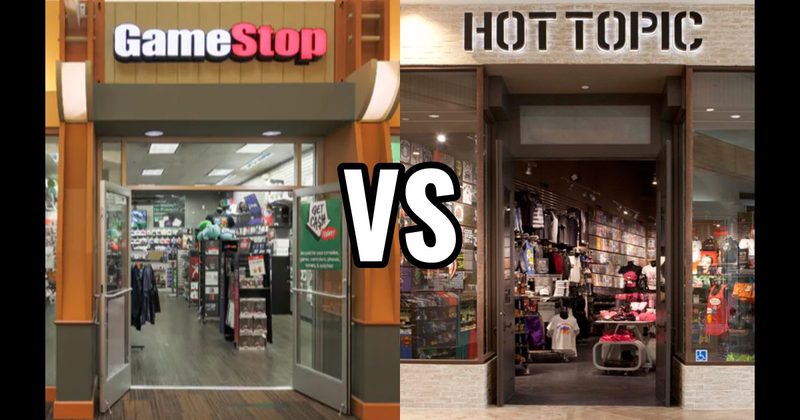
GameStop, the icon of video game retail, faces off against Hot Topic, the rebel of niche pop culture merchandise. This is a clash of titans from the 2000's mall scene, where fandoms collide—video gamers versus alternative music and pop culture aficionados. While GameStop has built an empire on consoles and cartridges, Hot Topic dresses its loyalty in band tees and fandom gear, sparking debates over which store truly captures the spirit of millennial nostalgia. This battle isn’t just about where you spent your allowance, it's about which store defined your identity. Whose side are you on?
Head-to-Head Comparison
| Criteria | Edge | Why |
|---|---|---|
| Cultural Impact | Hot Topic | Hot Topic was more influential in shaping 2000s pop culture by championing alternative and pop punk trends. |
| Product Diversity | Hot Topic | Hot Topic offers a broader variety of merchandise, including clothing, accessories, and music, compared to GameStop's focus on video games and gaming accessories. |
| Brand Iconicity | GameStop | GameStop's brand is more iconic in the gaming community, symbolizing a primary destination for video game enthusiasts. |
| Consumer Loyalty | GameStop | GameStop has cultivated a dedicated following through exclusive releases and trade-in programs that engage gamers repeatedly. |
Fan Takes
How Fans Are Voting
Overall battle results:
The contenders are currently tied in head-to-head matchups. Your vote will break the tie.
Fan FAQs
Who is better: GameStop or Hot Topic?
Right now, it's a neck-and-neck race! GameStop might have the edge with gamers who feel nostalgic about their quest for collectibles, but Hot Topic fans are equally vocal about their love for the store's vibe. For the full rankings, see the GOAT List for Greatest 2000's Mall Stores.
What makes Hot Topic so popular?
Fans love Hot Topic for its unique style and the way it embraces alternative culture. It's not just a store; it's a place where people find their identity through music merch and quirky fashion.
Why is this matchup so close?
Honestly, both GameStop and Hot Topic have fiercely loyal fanbases. Gamers and music lovers are really passionate, and it feels like fans are split down the middle.