
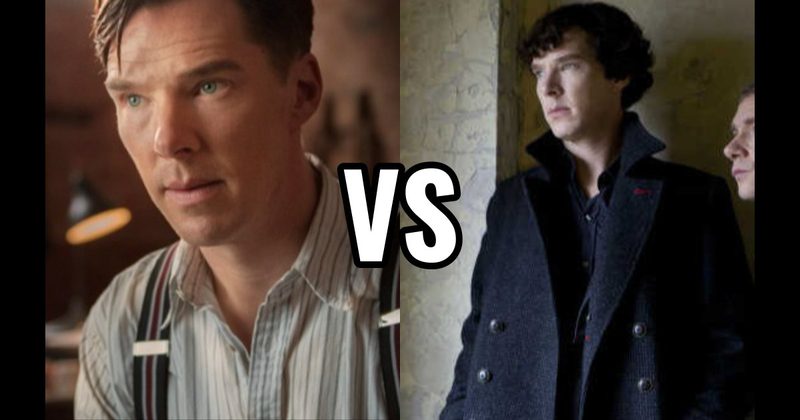
Alan Turing in The Imitation Game vs Sherlock Holmes (Sherlock Holmes)
Alan Turing in The Imitation Game leads with 53% of votes
Latest odds: Alan Turing in The Imitation Game - 44%, Sherlock Holmes (Sherlock Holmes) - 56%
Alan Turing in The Imitation Game = Enigmatic wartime genius
Sherlock Holmes (Sherlock Holmes) = Iconic, quirky detective
See full Benedict Cumberbatch Performance rankings →Pick Your Favorite
VS
Your GOAT List
The Real Debate
Alan Turing in 'The Imitation Game' brings a subtle, profound depth to the screen, while Sherlock Holmes in 'Sherlock' dazzles with razor-sharp wit and a magnetic, chaotic energy. Here we pit Turing's quiet, emotional resilience against Holmes's dynamic intellectual spectacle in a battle that has fans fiercely divided. Turing's portrayal by Cumberbatch digs deep into the human spirit, pulling at the heartstrings with every strategic move; Holmes, on the other hand, engages with a mind-bending thrill, making every deduction a visual feast. This isn't just a battle over acting chops—it's a war over which style leaves a deeper imprint on audiences. Who will you stand by in this clash of titanic performances?
Head-to-Head Comparison
| Criteria | Edge | Why |
|---|---|---|
| Character Complexity | Alan Turing in The Imitation Game | Alan Turing’s portrayal required a nuanced balance of intelligence, secrecy, and vulnerability, making it a deeply complex character. |
| Emotional Range | Sherlock Holmes (Sherlock Holmes) | Sherlock's eccentricities and emotional unpredictability showcased a broader spectrum of emotions. |
| Impact on Plot | Alan Turing in The Imitation Game | Turing was central to every plot development in The Imitation Game, driving the story with his actions. |
| Audience Reception | Sherlock Holmes (Sherlock Holmes) | Sherlock Holmes became a cultural icon, largely due to Cumberbatch's captivating performance that garnered a massive and dedicated fan base. |
🔥 Fan Takes
How Fans Are Voting
Latest battle odds:
Sherlock Holmes (Sherlock Holmes): 56%
Alan Turing in The Imitation Game: 44%
Overall battle results:
Overall fans prefer Alan Turing in The Imitation Game over Sherlock Holmes (Sherlock Holmes) when it comes to the greatest Benedict Cumberbatch Performances of all time. In head-to-head matchups, fans pick Alan Turing in The Imitation Game 53.3% of the time over Sherlock Holmes (Sherlock Holmes).
Across all battles:
Alan Turing in The Imitation Game win rate: 64.5%
Sherlock Holmes (Sherlock Holmes) win rate: 75.0%
Fan FAQs
Why do fans love Alan Turing in The Imitation Game?
Turing's story is deeply moving and resonates with a lot of people, showcasing bravery and brilliance. Fans appreciate how Cumberbatch portrayed Turing's struggle and genius, making it an unforgettable performance.
What makes Sherlock Holmes so popular?
Sherlock's wit and charm make him an iconic character, and fans love how Benedict brought him to life with such intensity and cleverness. Plus, the series has a massive fanbase that just can't get enough of his adventures!
Why is this matchup so close?
Fans are seriously split on this one! Both Alan Turing and Sherlock Holmes have their loyal followers, each bringing a different vibe and emotional connection to the table.