
Modernism vs Renaissance
Modernism leads with 66% of votes
Latest odds: Modernism - 29%, Renaissance - 71%
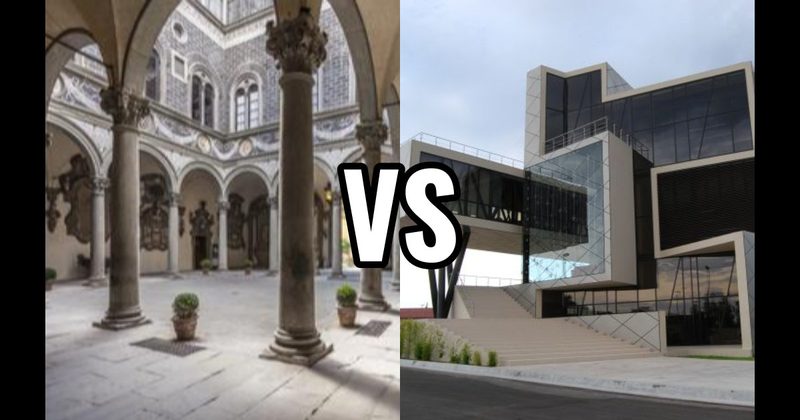
Modernism = Functional simplicity, sustainable focus
Renaissance = Classic grandeur, profound influence
See full Architecture Style rankings →Pick Your Favorite
VS
Your GOAT List
The Real Debate
Renaissance architecture revels in its grandeur and historical depth, emphasizing symmetry and proportion, while Modernism strips down to essentials, focusing on function and minimalist forms. It's a clash of legacy versus bold innovation, where ornate complexity meets sleek simplicity. This battle isn't just about styles; it's about what those styles represent—the warmth of tradition challenging the cool efficiency of the future. Fans of Renaissance bask in the glow of its rich details and humanistic roots, whereas Modernism's enthusiasts champion its break from the past and its visionary outlook. Where do your loyalties lie in this epic standoff? Cast your vote and weigh in on history versus the horizon!
Head-to-Head Comparison
| Criteria | Edge | Why |
|---|---|---|
| Aesthetic Appeal | Renaissance | Renaissance architecture's intricate details and classic proportions exude unmatched visual grandeur. |
| Functional Utility | Modernism | Modernism emphasizes functionality, offering simple, adaptable spaces that meet contemporary lifestyle needs. |
| Cultural Significance | Renaissance | The Renaissance period encapsulates a pivotal era in art and science, profoundly influencing Western culture. |
| Environmental Integration | Modernism | Modernist designs often incorporate sustainable practices and materials, aligning more closely with today's environmental concerns. |
🔥 Fan Takes
How Fans Are Voting
Latest battle odds:
Renaissance: 71%
Modernism: 29%
Overall battle results:
Overall fans prefer Modernism over Renaissance when it comes to the greatest Architecture Styles of all time. In head-to-head matchups, fans pick Modernism 66.7% of the time over Renaissance.
Across all battles:
Modernism win rate: 41.1%
Renaissance win rate: 59.8%
Fan FAQs
Why is this matchup between Renaissance and Modernism such a big debate?
Fans are split between the romantic, historical allure of Renaissance and the bold, forward-thinking vibe of Modernism. It’s like a classic versus contemporary clash that stirs up passionate arguments and differing opinions among architecture buffs.
What do fans love about Renaissance?
Renaissance architecture is all about grandeur and beauty, which just tugs at the heartstrings of art lovers. The history, the intricate details, and the sheer brilliance behind the structures mean it holds a special place in many fans' hearts.
Why is Modernism winning by so much?
Modernism has really captured the imagination of fans with its sleek lines and innovative designs. Plus, it resonates with today’s aesthetic, making it feel fresh and relevant, while Renaissance fans seem a bit nostalgic for the past.